Polybutylene is the least common of the old pipe materials in Columbus, and that rarity is the first thing worth knowing about it. Slate Repiping Columbus identifies and replaces polybutylene water tubing in Columbus and nearby Franklin County communities, usually as a whole-house repipe in PEX or copper. The work is carried out by licensed and insured plumbing contractors under the plumbing permit for the address.
This page is honest about the numbers. Of 285 permit descriptions in the Franklin County Auditor’s records that read like repipes, only 7 named polybutylene, against 28 for galvanized. The permit file is uneven across cities and many permits name no material at all, so that count does not measure how much polybutylene is still in service. It does suggest that in Columbus, galvanized steel and aging copper are far more common reasons to repipe. If an inspection report or a past owner has flagged polybutylene, though, it needs to be confirmed and dealt with, and that is what this page covers.
Where polybutylene shows up around Columbus
Polybutylene was installed in some homes built or remodeled in the 1980s and early 1990s. Half of Columbus housing, 50.2% by Census Bureau count, was built in 1980 or later, so the age window is wide. Far fewer of those houses ever had polybutylene, though, and many that did have already been repiped. In older neighborhoods, it most often turns up as a remodel addition: a basement bathroom, a kitchen redo or a water heater connection from that era.
The guide to identifying pipe material covers every material a Columbus basement might show. For polybutylene, identification comes down to markings, color and fittings.
How to identify it
Markings and color
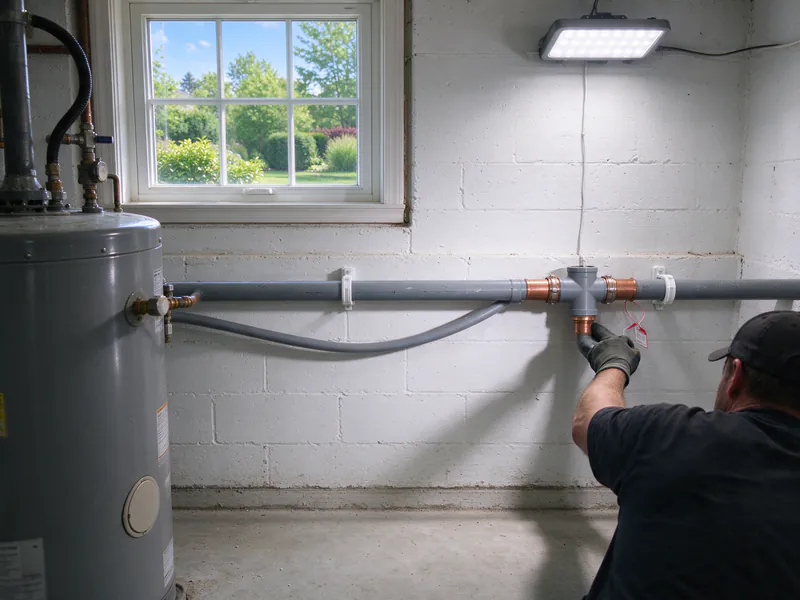
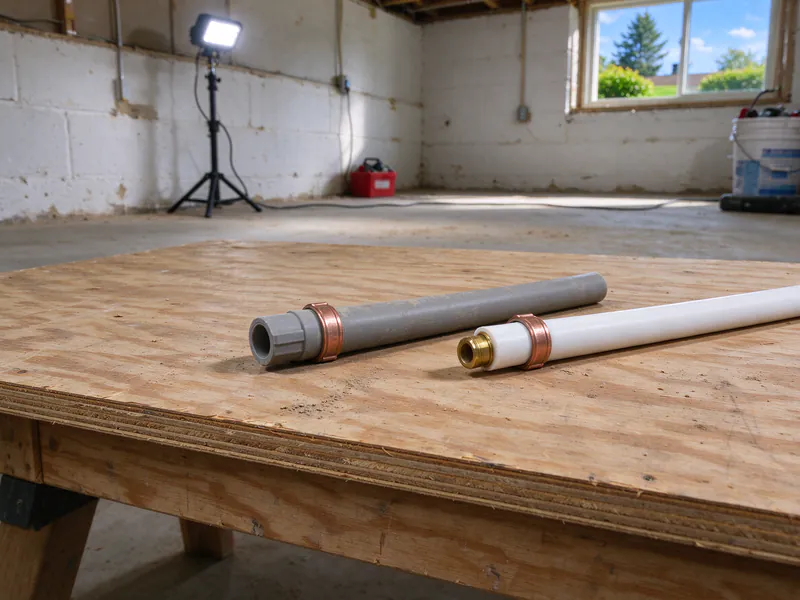
Polybutylene inside a house is usually gray, flexible and slightly waxy to the touch. Outdoors, as a service line, it was often blue or black. The tube is usually printed with PB2110 or a similar polybutylene code. Gray PEX exists too, so color alone is not proof; PEX is printed with the letters PEX and an ASTM F876 code. The table above compares the three plastics most often confused, and the CPVC guide covers the rigid cream-colored one.
Fittings and where to look
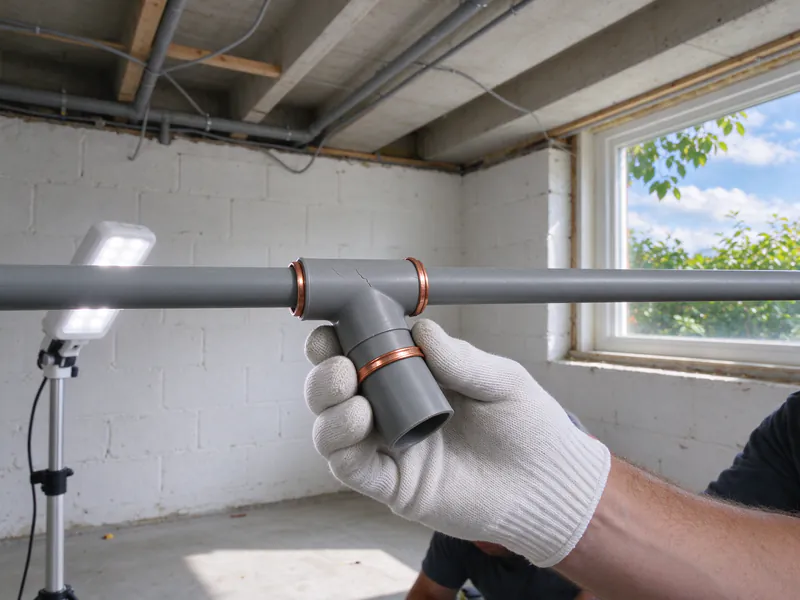
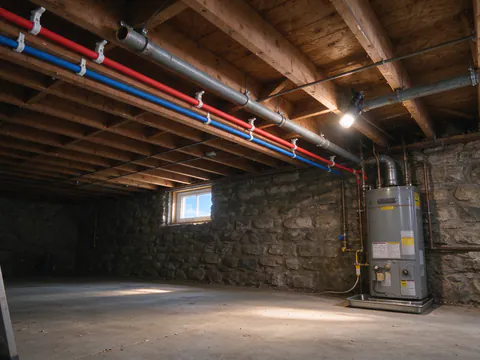
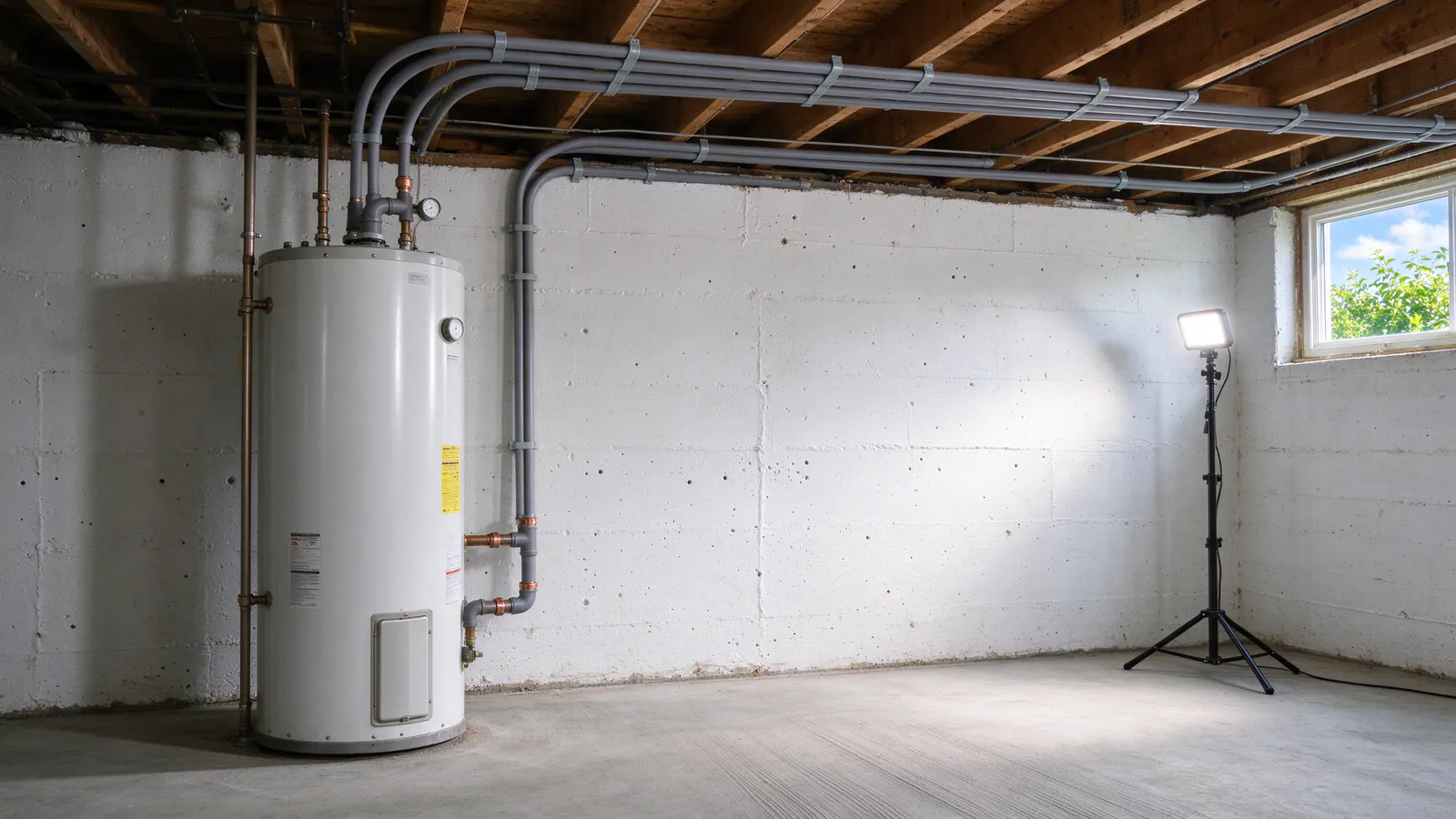
Polybutylene joints were made with plastic fittings or with copper or brass fittings, held by aluminum or copper crimp bands. Look at the water heater connections, under kitchen and bathroom sinks where flexible supply lines enter the wall, at the main shutoff and along basement joists. A gray tube that starts at a fixture and disappears into the floor is worth following to see what it connects to.
Why polybutylene fails at the fittings
Polybutylene earned its reputation through leaks that came without warning. Many of the early plastic fittings cracked over time, and joints made with poorly set crimp bands could loosen. The tubing itself can also become brittle from the inside after years of exposure to disinfectants in treated water, though how quickly depends on the water and the temperature, and no single cause applies to every house.
Because the weak points are joints spread through the system, a polybutylene leak behind one wall says something about every other joint of the same age. That is the main reason it is usually replaced as a system rather than repaired leak by leak.
Not sure what the gray pipe is?
A photo of the printing on the tube or a fitting is often enough to start.
Repair, partial replacement or full replacement
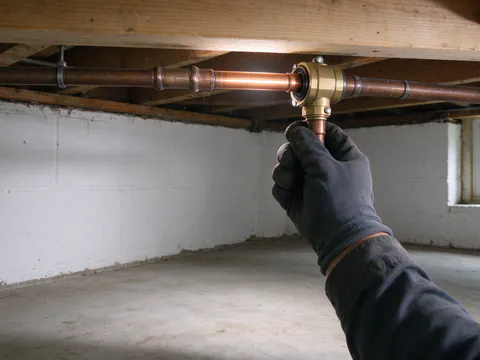
A single leak can be repaired with a transition fitting listed for joining polybutylene to copper or PEX, and pipe repair covers that work. A section, such as one bathroom group added in a past remodel, can be replaced on its own when the rest of the house is a different material. Where polybutylene runs through the whole house, replacing it all at once avoids leaving old joints in the walls.
Owners sometimes ask whether polybutylene needs lower water pressure. No rule requires it, but high static pressure stresses every joint in any system, and older plastic fittings are less forgiving. Columbus publishes no standard house pressure, so it is measured at the house, and a pressure-reducing valve can be added where it reads high.
Polybutylene and a house sale
Polybutylene often comes up during a sale, when a home inspector notes gray plastic tubing in the report. Some insurers may ask about it when writing a policy. Disclosure duties at sale vary, and an agent or attorney is the right source on what must be stated. For a buyer, the useful steps are to confirm the material, find out how much of the system it covers and whether it has leaked, and get a written scope and price during the inspection period. The guide to buying a house with old pipes covers how that fits into a negotiation.
How it is replaced
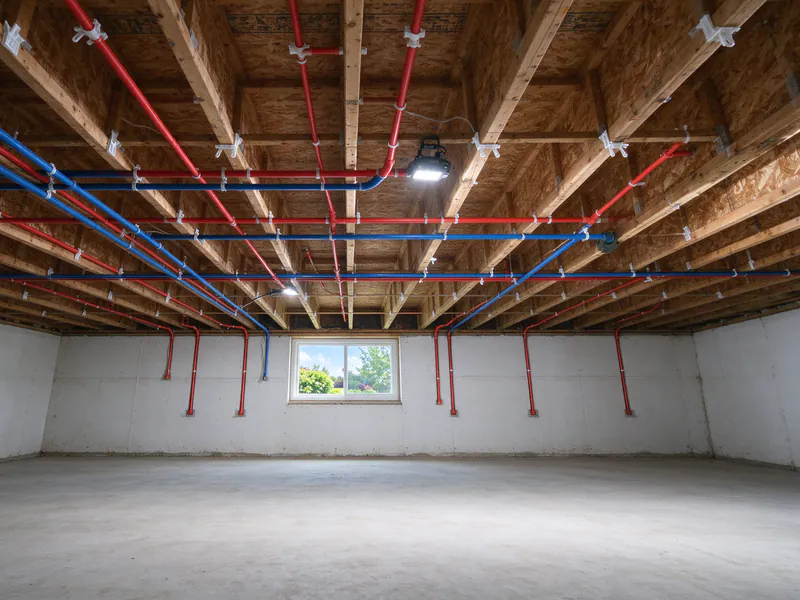
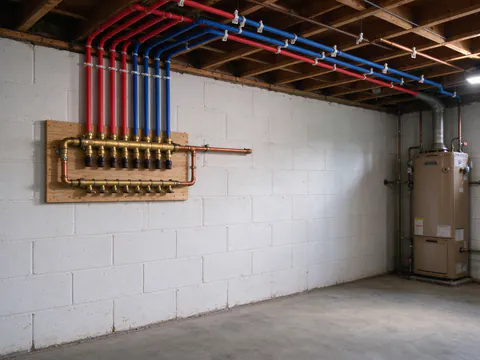
Replacing polybutylene is planned like any repipe. New PEX or copper is run from the main shutoff to each fixture, usually along open basement joists and up through closets and chases, with the openings listed. Because polybutylene was itself a flexible tubing, the old routes often accept new PEX tubing without much extra cutting. Old tubing is pulled out where it can be reached and cut and capped where it cannot. Fixture supply connectors and stops from the same era are replaced with it, so no old fittings stay at the ends of the new lines.
A polybutylene service line outside the house, often blue, is a separate job. Inside Columbus, work on the City water service needs a City water contractor license, and the water line replacement page covers that work.
Permit, testing and price
A polybutylene replacement needs a plumbing permit. Inside the City of Columbus, Building and Zoning Services issues it at $275 for a 1, 2 or 3 family home with two inspections; in most suburbs the city issues it and Franklin County Public Health reviews and inspects. The new system is pressure tested before walls close and flushed after. A whole-house replacement falls in the typical Columbus-area range for a repipe, $4,000 to $15,000 or more, with larger multi-bath, copper or complex homes running higher, and the repipe cost guide explains what moves it.