Slate Repiping Columbus offers and manages lead service line replacement for owners in Columbus and nearby Franklin County communities who need the work done outside the City’s scheduled program. The City of Columbus is replacing lead and galvanized service lines street by street at no direct cost to owners, and for many houses waiting is the right call. This page is for the owners it does not fit. The work is carried out by licensed and insured plumbing contractors, and work on the service pipe is done by contractors holding the City of Columbus water contractor license. Slate Repiping Columbus is not the City’s program contractor and does not schedule City work.
Who has a lead service line
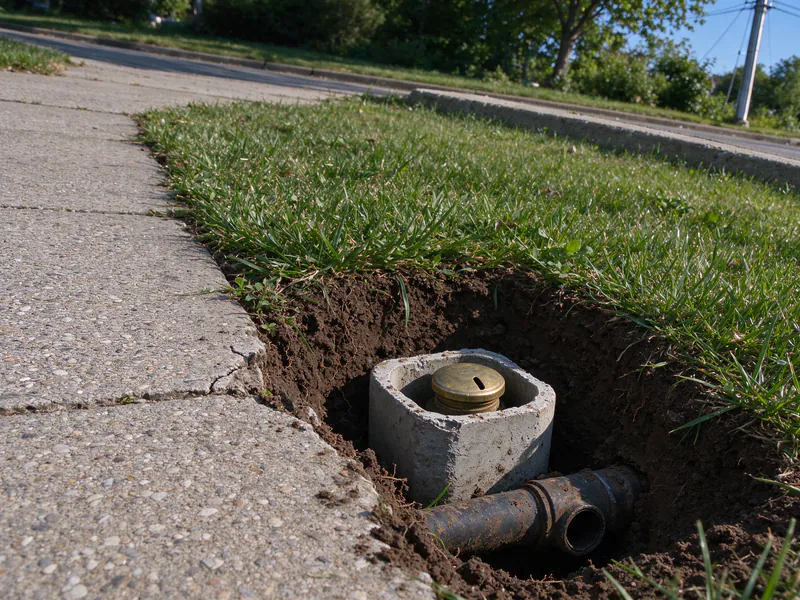
A service line is the buried pipe from the water main in the street to the meter inside the house. Columbus has not allowed new lead or galvanized service lines since December 1963, and the City says roughly 20% of its service lines may contain lead components. Its interactive map shows possible lead or galvanized lines at 50,000 to 60,000 homes. Inside the city limits, the inventory lists 10.7% of lines as lead on the utility side and 6.9% as galvanized requiring replacement, with another 9.6% unknown.
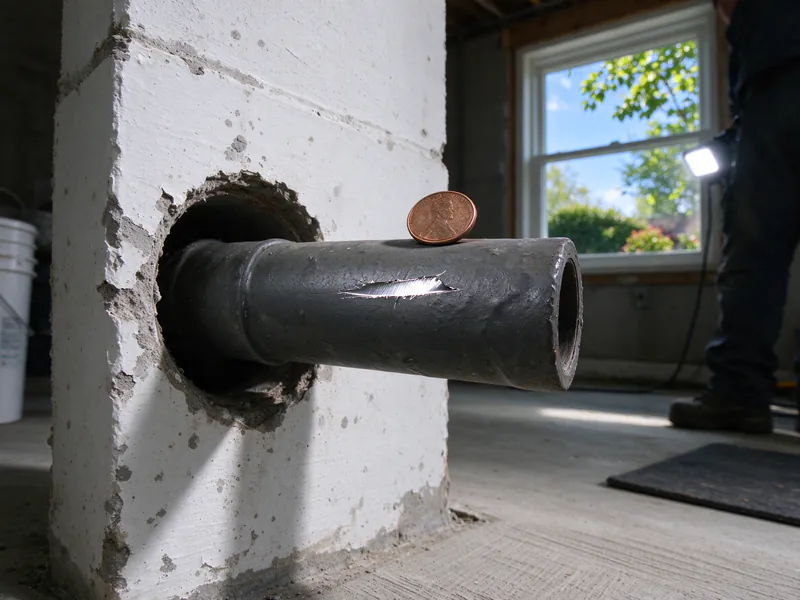
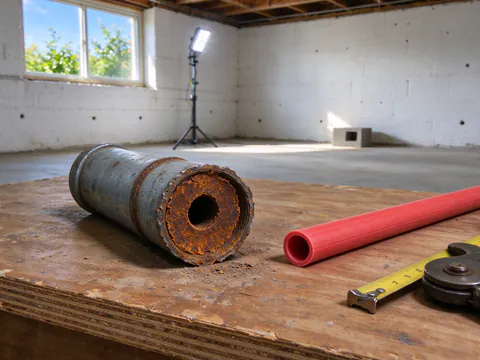
The share runs much higher in older ZIPs. In 43206, around German Village, a third of inventory records show lead on the utility side. In 43202, south Clintonville and Old North, it is 45.8%. The Columbus lead service line program guide shows how to look up an address, and the guide to identifying pipe material covers what to check at the meter: lead is dull gray, soft enough to scratch to a shiny silver with a key, and not magnetic.
Galvanized service lines count too. The City treats galvanized lines as requiring replacement because galvanized pipe can collect lead from lead pipe upstream of it and tends to leak. The galvanized pipe safety guide covers the same question for pipe inside the house.
When a contractor makes sense instead of the City’s program
The City intends to cover the one-time cost of replacement during scheduled work while funding remains, and only the owner listed with the Franklin County Auditor can sign the work agreement. If the street is in an active project area and the owner signs, there is usually no reason to hire anyone. These are the cases where that does not work.
The street is years away
The program is planned as a 12-year citywide project. Some owners do not want to live with a lead line that long, especially with young children in the house, or are selling and want the line replaced first. They can pay for it themselves or apply for a LEAP loan. The City puts the cost of replacing a line outside the schedule at about $6,000 to $10,000.
The line is leaking now
Before scheduled construction reaches a street, leaks on the private side are the owner’s responsibility, and City code does not allow a lead service line to be repaired. A leak means replacement. LEAP covers leaking lines, and the City says replacement is free for income-qualified owners whose line is leaking. The City also says owners who are out of water can apply, but the water stays off until replacement, which may take two to three weeks. If the line breaks, shut the water off at the main inside the house and call; burst pipe repair covers what to do inside while the line is sorted out.
The house uses LEAP
LEAP is open to any property owner with a Columbus Water & Power bill, including customers in contract suburbs who receive a Columbus water bill. It is a 0% loan up to $10,000, secured as a lien and repaid in one payment at sale or a cash-out refinance, or within 99 years. The owner picks the contractor, gets three quotes (with fewer than three, the loan is capped at $4,000), and signs a three-party agreement with the contractor and the City before work starts. The contractor has to be certified for water service line work and registered with City vendor services, so ask each contractor to show both before a quote is counted. The lead service line replacement cost guide explains what the loan pays for.
The suburb runs its own system
Bexley, Gahanna, Reynoldsburg and Obetz buy water from Columbus through master meters, and the Columbus inventory map has almost no records for them. Bexley keeps its own inventory, has mailed notices to owners and says there are few, if any, known private lead lines; it offers a galvanized service line loan of the lesser of $4,000 or 80% of the cost to owners in its sewer remediation work, through a City-approved vendor. Westerville runs its own water system, so its rules are confirmed per address. For customers outside its limits, the City says the local municipality will send notice about service line work.
Not sure if the City is coming to your street?
Check the address first. If the program fits, wait for it; if not, get a written quote that names the license and the permit.
How a private replacement works
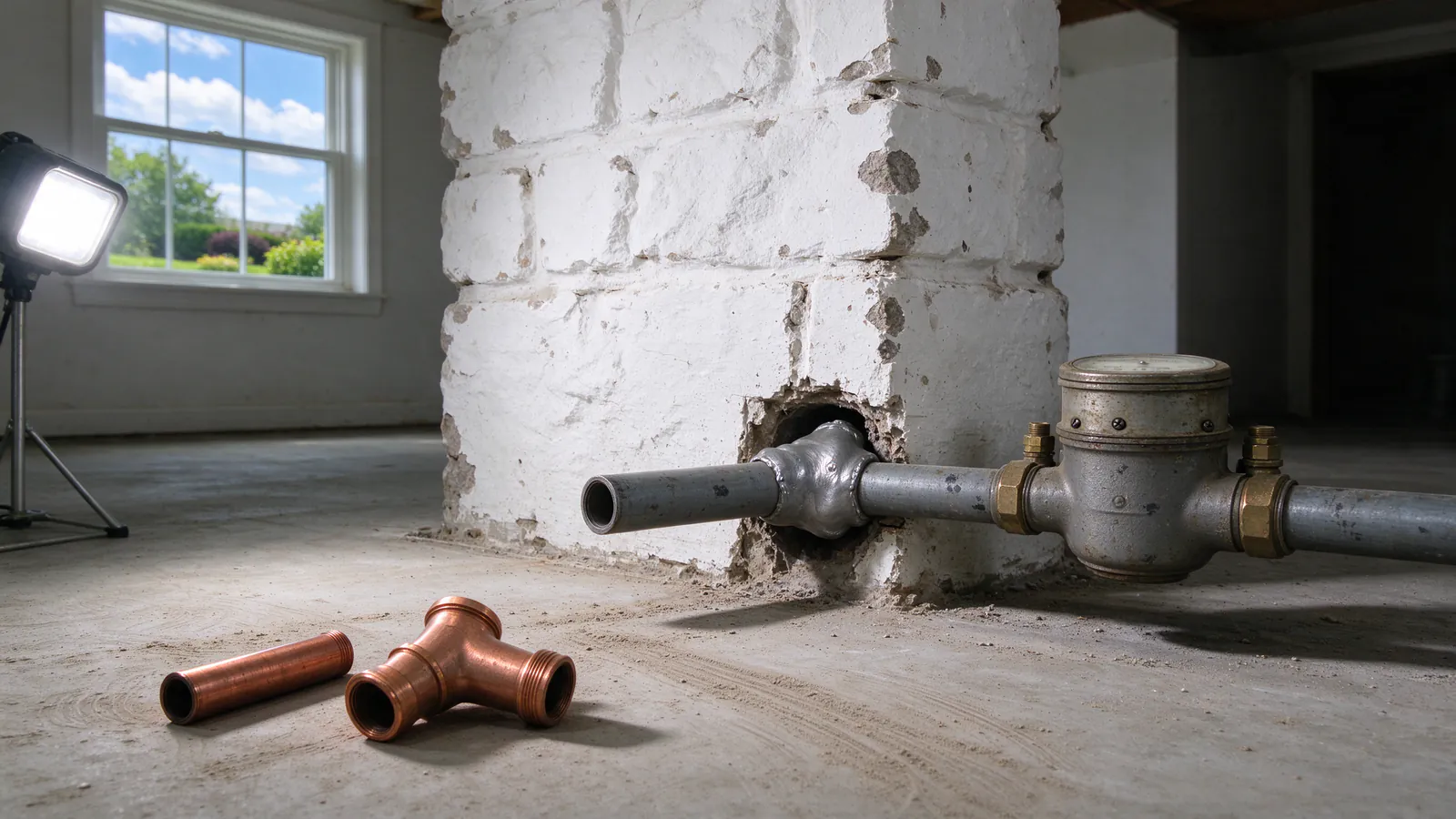
The job starts with the address: its inventory listing, whether it sits in a City project area, and who is on the Auditor’s record as owner. Then the line is checked where it comes through the basement wall, because the inventory has unknowns and the material at the meter settles a lot of them.
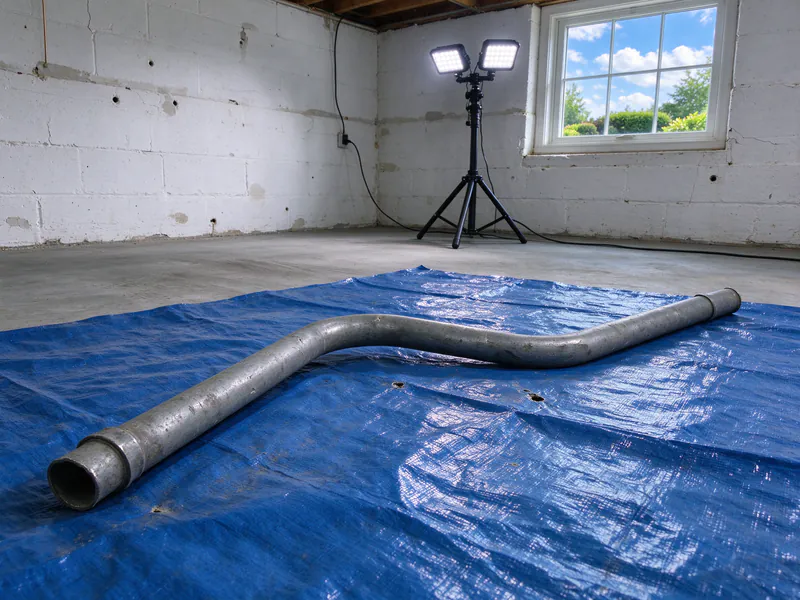
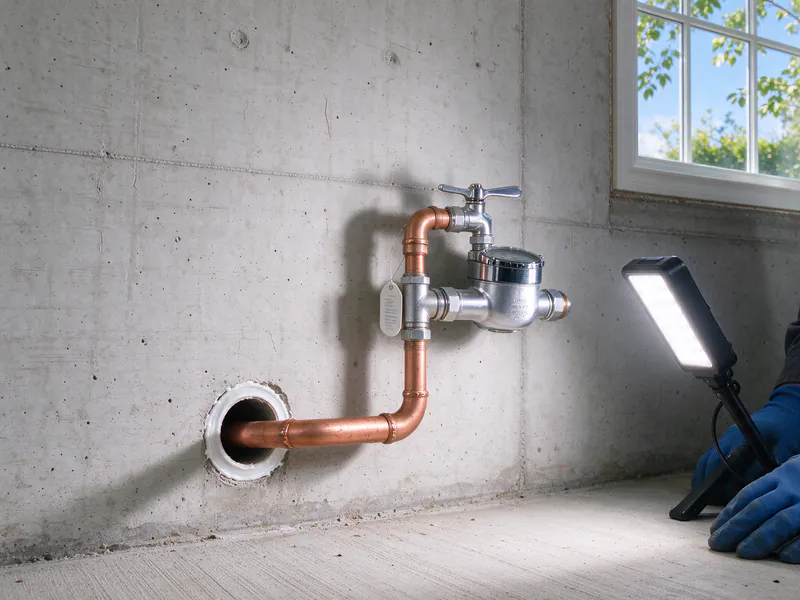
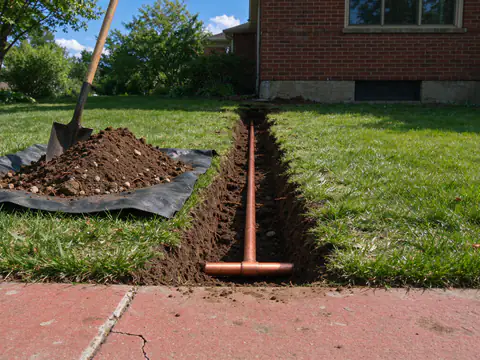
The new line is Type K soft copper from the main through the curb stop for 2-inch and smaller service pipe, under the City’s rules, with Type K copper or approved poly tubing from the curb stop through the meter setting. A reused tap that turns out to be lead or galvanized is abandoned at the main. The water line replacement page covers the trench, the pull between pits, the 32-inch frost depth and the foundation entry.
Building and Zoning Services inspects the line from the meter to the building under a Water Service Installation permit. The City says to plan for roughly six to eight hours without water while a service line is changed.
What a service line replacement leaves behind
The City’s program, LEAP and a private replacement all stop at the meter. None replaces lead hazards inside the house. Copper joined before 1986 can carry lead solder (the copper repiping page covers replacing it), and brass valves and fittings could contain up to 8% lead until 2014. A house old enough to have a lead service line may also still have galvanized pipe inside.
That inside work is a separate repipe. Where the walls and basement are being opened anyway, it can be planned to follow the service line so the meter connection is made once. Galvanized pipe replacement and old house repiping cover the inside of the house, and a whole-house repipe replaces everything from the main shutoff on.
Lead and the water while you wait
The City adds a zinc orthophosphate corrosion inhibitor to its water, which is meant to coat pipe walls and reduce how much lead dissolves from lead pipe and solder. Disturbing a lead line, including during digging or meter work nearby, can still release particles. The US EPA’s guidance for homes with lead lines includes running the tap before drinking when water has sat, using only cold water for drinking and cooking, and using a filter certified for lead removal. Those steps reduce exposure; they are not a substitute for replacing the line.
What drives the price
Outside the City’s own figure, there is no public price for replacing a lead line in Columbus. The cost moves with the length of the run, its depth, what lies over the route (lawn, sidewalk, driveway, trees), whether the line can be pulled between pits, and whether the curb stop and meter setting need work. The cost guide covers each driver in more detail, and the repiping permit guide covers the inside work that may follow.